Projects
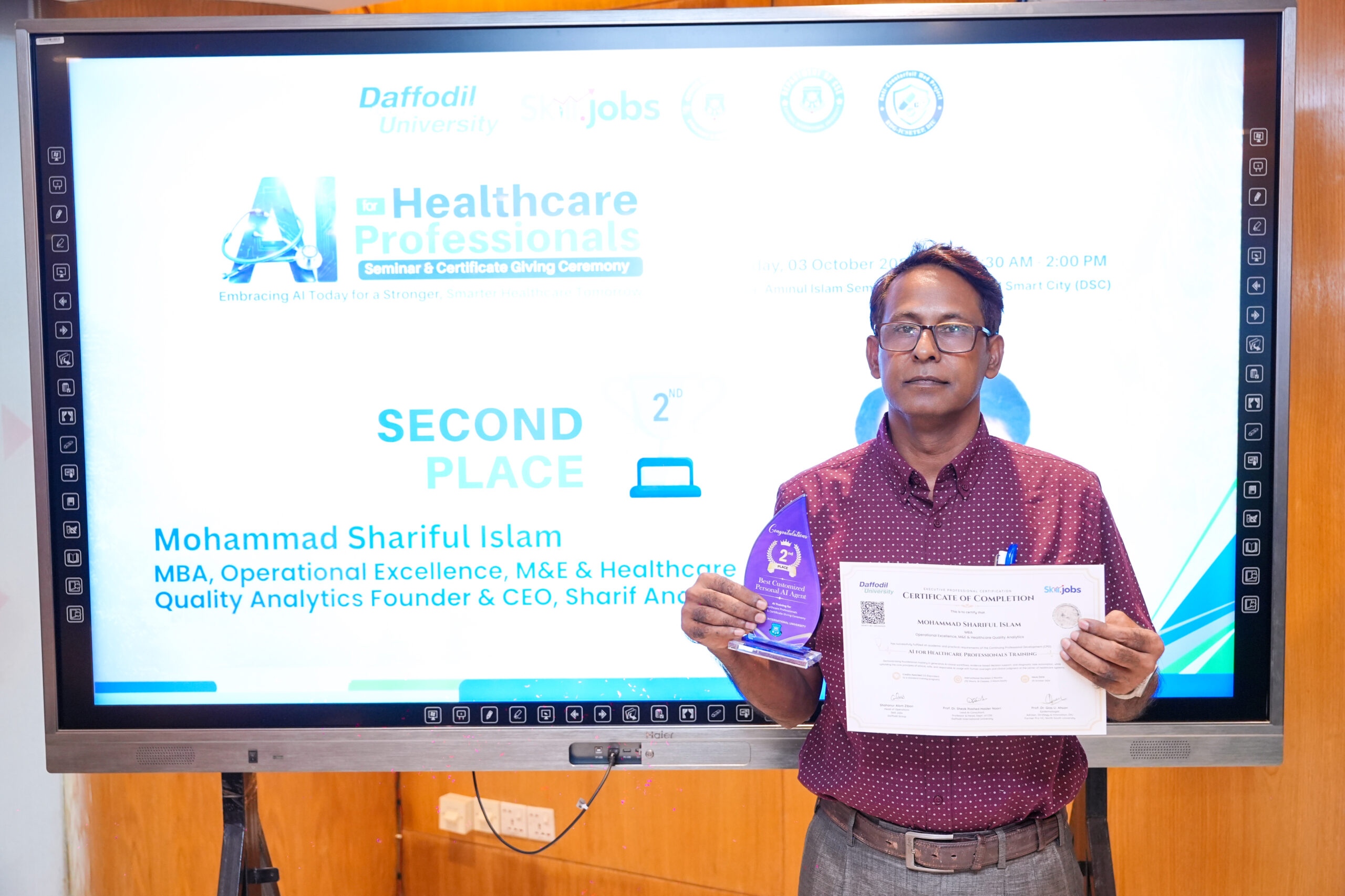
The Founder of Sharif Analytics has extensive professional experience across a range of government, development, industrial, and organizational projects, gained through previous professional engagements with different organizations. Today, Sharif Analytics combines this experience with practical AI: custom AI agents that turn doctor-patient conversations into structured records, no-code AI automation that runs reporting, client email and social media from one chat, live BI dashboards, and AI solutions for healthcare, NGOs, garments and SMEs. Our healthcare AI agent won 2nd place for Best Customized Personal AI Agent at Daffodil International University in October 2026.
2nd Place – Best Customized Personal AI Agent
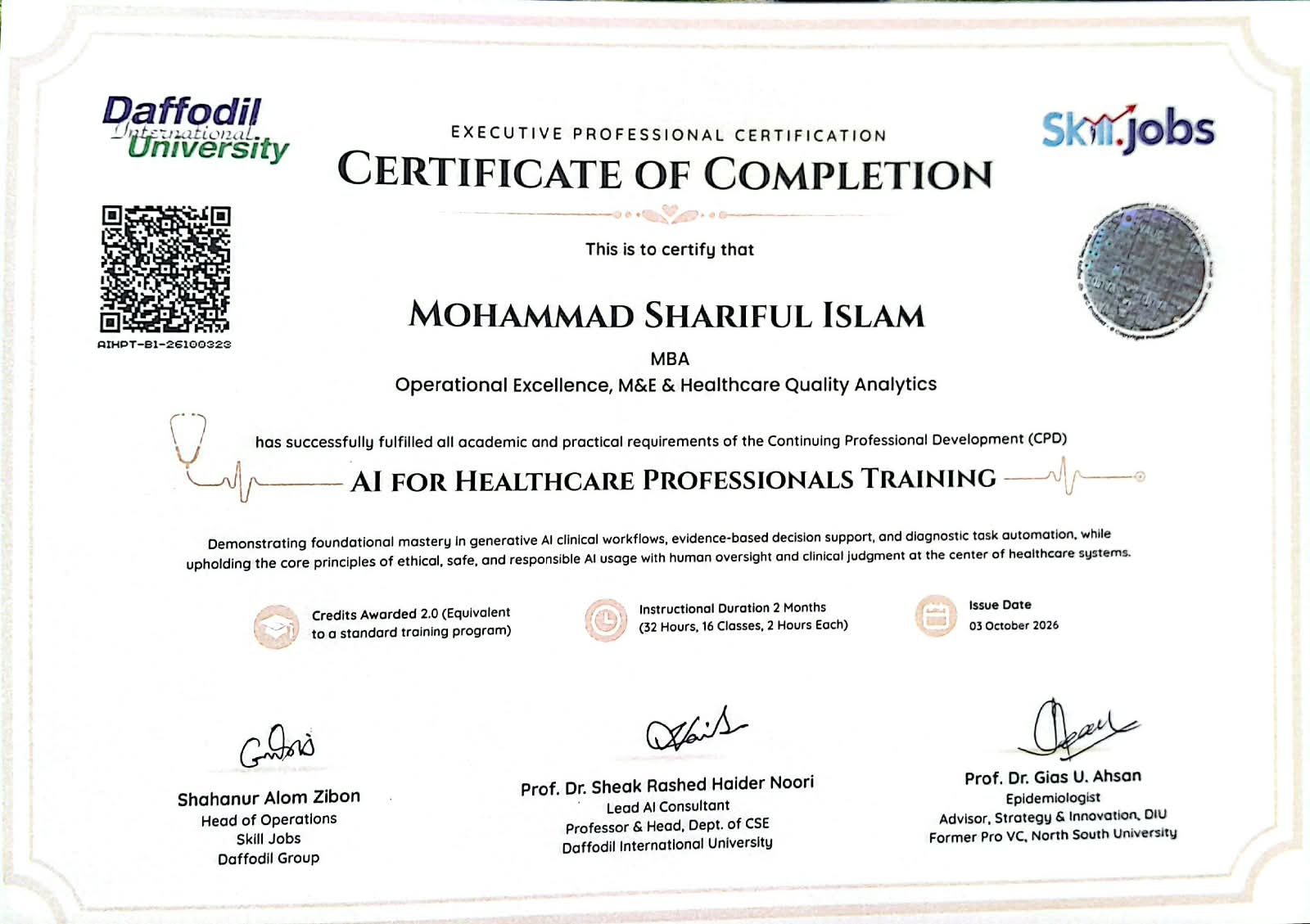
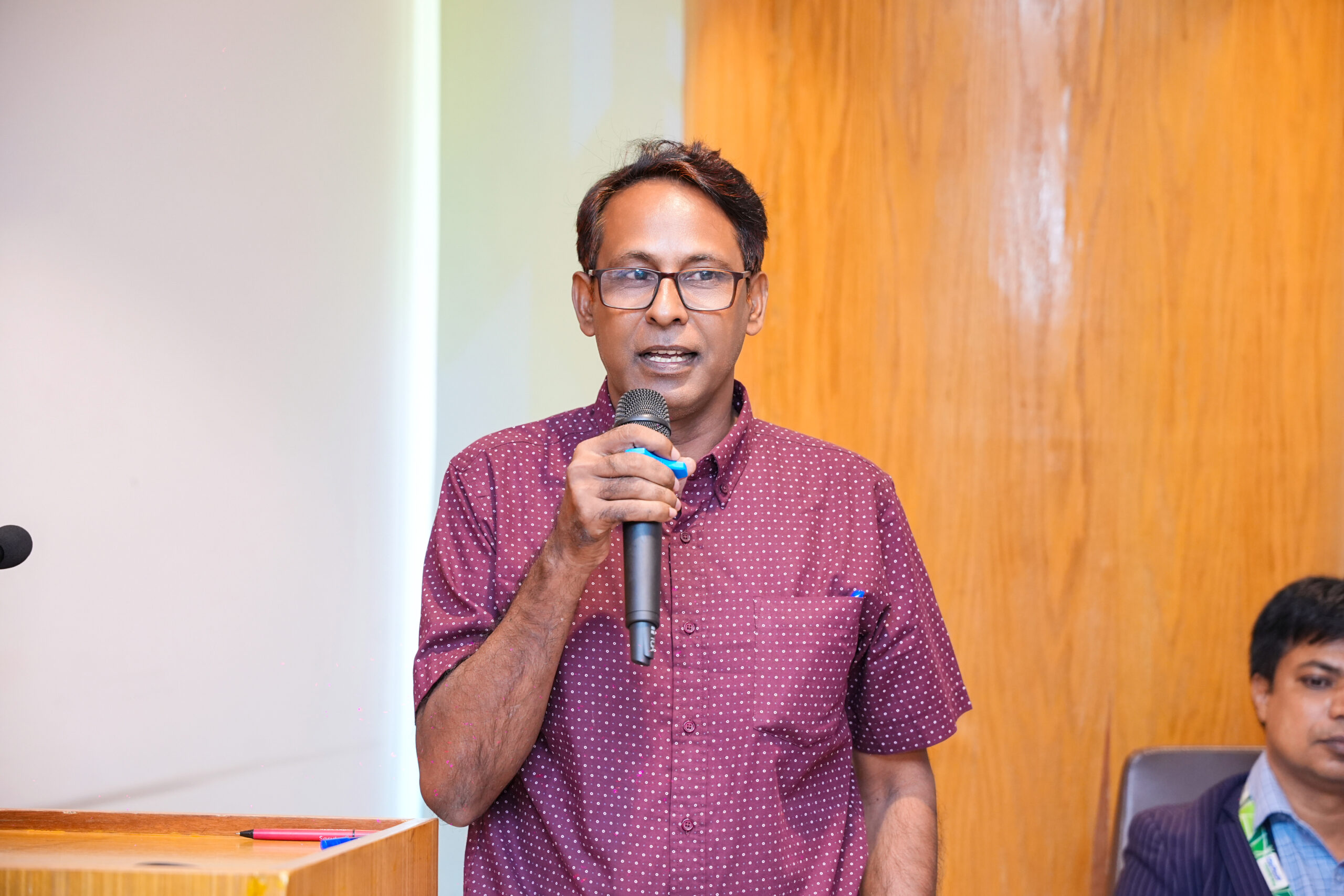
Our Founder & CEO, Mohammad Shariful Islam, was awarded 2nd place for the Best Customized Personal AI Agent at the AI for Healthcare Professionals Seminar & Certificate Giving Ceremony, organised by Daffodil International University and Skill Jobs. The award recognises a customized personal AI agent for healthcare, built on generative AI clinical workflows, evidence-based decision support and diagnostic task automation, with ethical, safe and responsible AI use and with human oversight and clinical judgment kept at the center.
- Award2nd Place, Best Customized Personal AI Agent
- Organised byDaffodil International University & Skill Jobs
- Date3 October 2026
- ProgrammeAI for Healthcare Professionals Training (2 months, 32 hours)
See the agent in action (1 minute)
Project 1
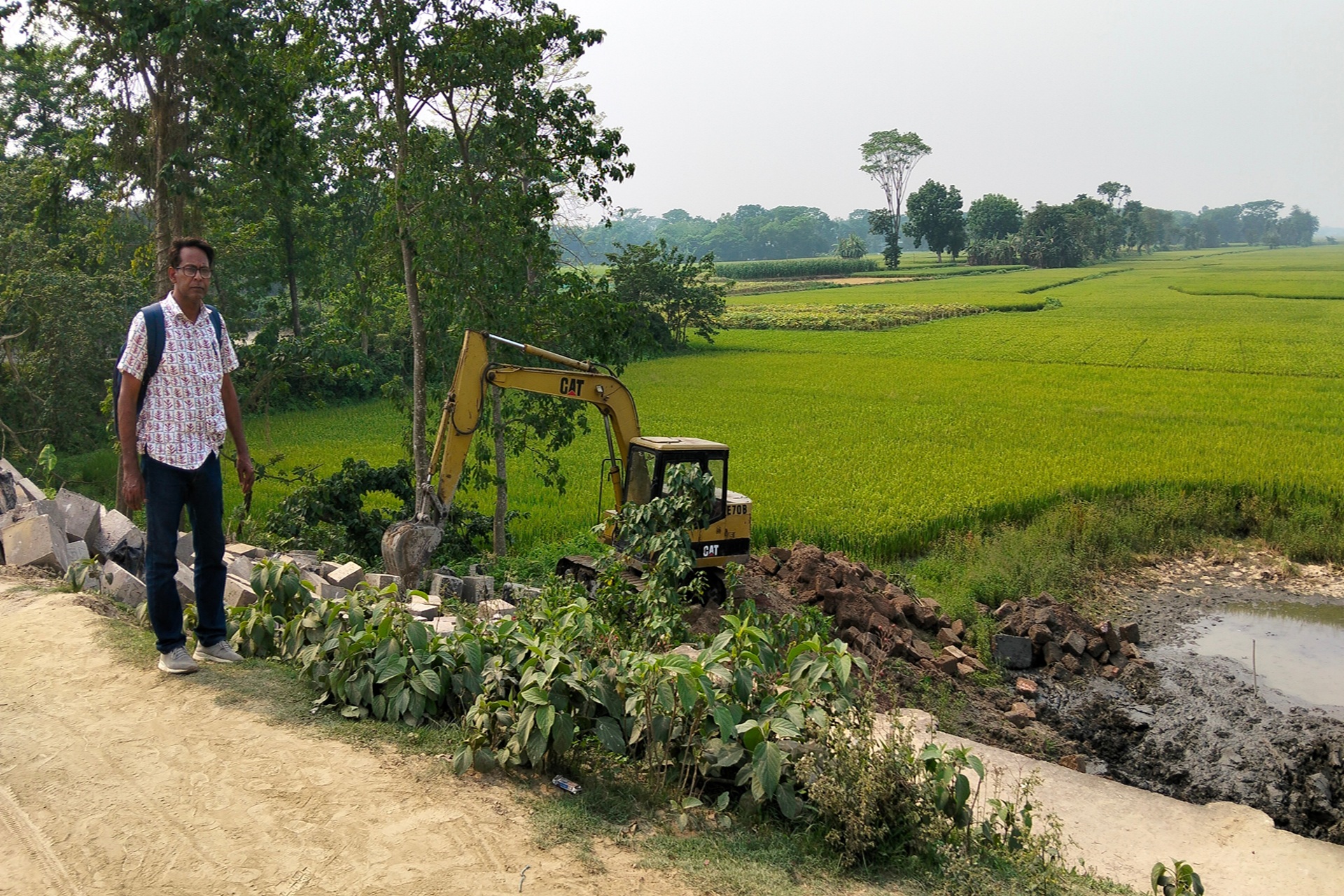
1. Climate Smart Agriculture and Water Management Project Client: IMED, Ministry of Planning (Government of Bangladesh)
Role: Field Supervisor / In-Depth Monitoring Consultant
Duration: Feb 2026 – Present
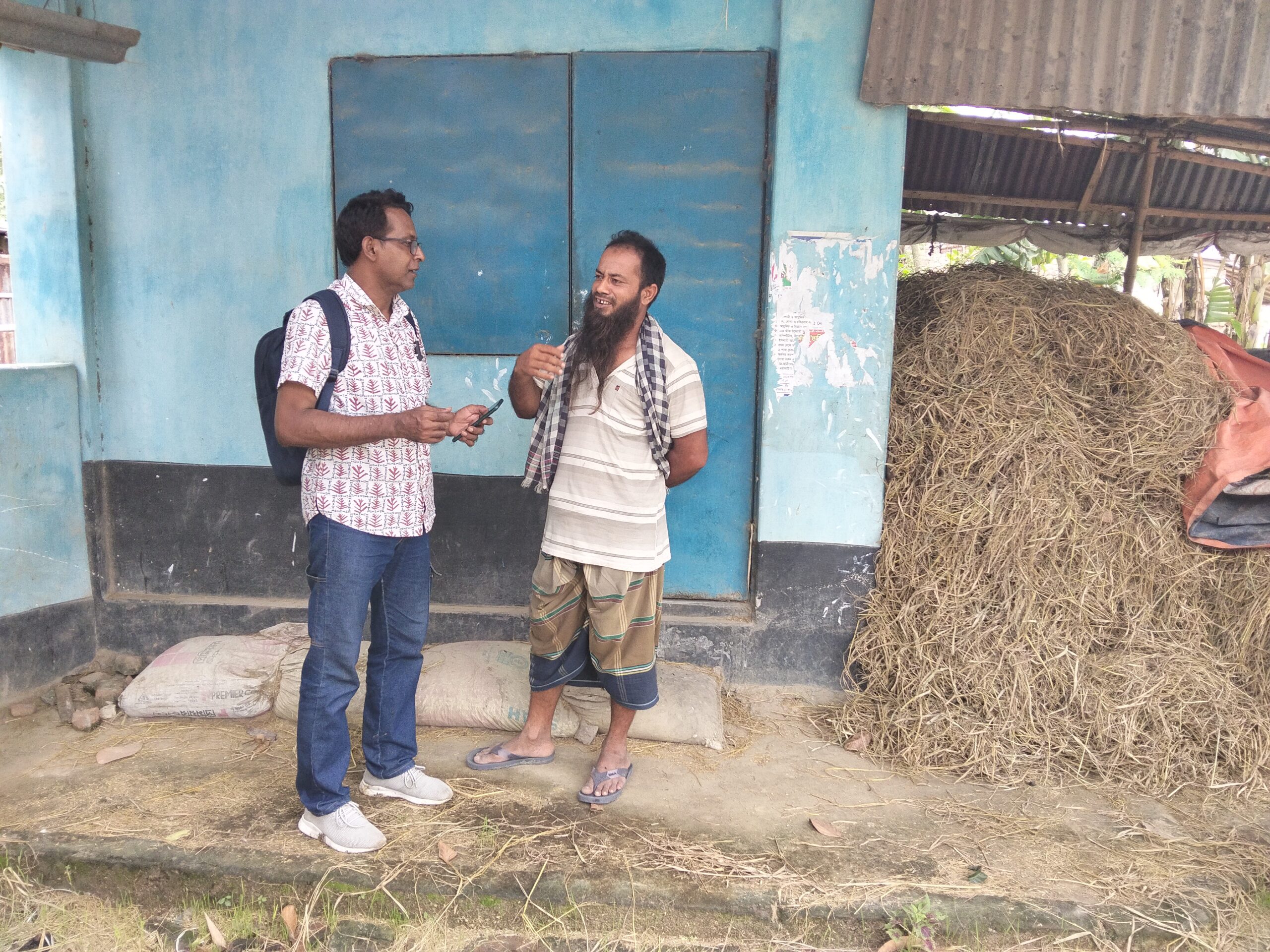
Scope: Field-level in-depth monitoring of a government climate-smart agriculture and water management initiative, ensuring project activities are implemented as planned and reported accurately to the Ministry.
What We Did: Conducted structured field monitoring, verified implementation quality against project design, and reported findings directly to IMED for government-level oversight and accountability.
Impact: Strengthened data-driven oversight of a national climate-resilience initiative, supporting evidence-based course correction at the government level.graph here
Project 2
2. Production, Post-Harvest Management & Preservation Technology Transfer — Greater Bogura ProjectClient: IMED, Ministry of Planning (Government of Bangladesh)
Role Field Supervisor / In-Depth Monitoring Consultant
Duration: June 2026 – Present
Scope: In-depth monitoring of a national project focused on transferring quality agricultural production, post-harvest management, and preservation technologies to farming communities in the Greater Bogura region.
What We Did: Carried out on-ground field supervision and monitoring, tracking implementation quality and technology adoption against project targets, and reporting compliance and progress to the Ministry.
Impact: Supported the Ministry's oversight of a large-scale agricultural technology transfer program, helping ensure resources translate into real on-the-ground adoption.
Project 3
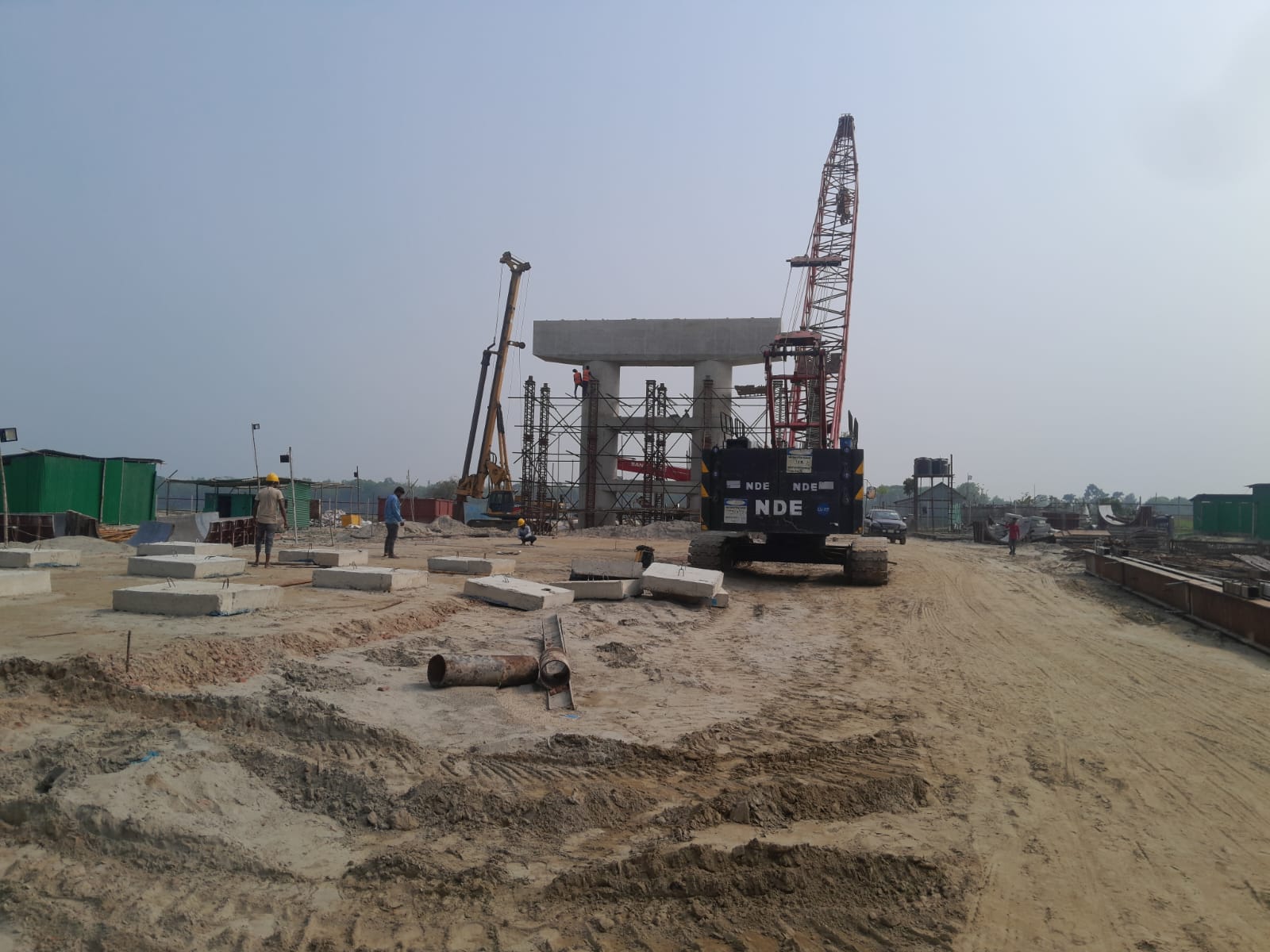
3. Road Quality Project
Client: IMED (Ministry of Planning)
Role: Field Investigator
Duration: May – June 2026
Scope: Field-level quality investigation of road infrastructure works under a government monitoring mandate.
What We Did: Conducted on-site field investigation of road construction quality, verifying compliance with technical and quality standards and documenting findings for government review.Impact: Contributed to independent quality assurance oversight of public road infrastructure spending, connecting our engineering and field-monitoring capabilities.
Project 4
4. A3 Problem-Solving & Continuous Improvement Project
Client: Lida Textile & Dyeing Ltd.
Role: Manager – Quality Assurance
Duration: 3 Month
Scope: Leading the application of the A3 problem-solving methodology to identify root causes, develop corrective actions, and establish sustainable process improvements within manufacturing operations.
What We Did: Structured the problem-solving process through current-state analysis, root cause investigation, countermeasure development, implementation, and follow-up monitoring; engaged cross-functional teams to address the identified problem systematically.
Impact: Established a structured and sustainable problem-solving approach, enabling the organization to address recurring issues at their root cause, improve process performance, and strengthen the culture of continuous improvement.foundation for the organization.